Odisha · Oct 15, 2026

Odisha Sacred Shores and Living Traditions

Eight days through one of India's most quietly magnificent states ancient temples carved in living stone, a lake full of dolphins, a wetland loud with migratory birds, and villages where Ikat weaving and Pattachitra painting are still the way of life. Odisha rewards the woman who travels with her eyes open.

Duration
5 Nights / 6 Days
Start
15 Oct 2026, 06:00 AM
End
20 Oct 2026, 06:00 PM
Location
Odisha, Odisha
Group Size
Max 10 guests

Overview

There is a version of India that most people never reach. Odisha is that version.

It sits on the eastern coast, along the Bay of Bengal, largely off the tourist trail, and it holds within it some of the most extraordinary things this country has produced temples built with the precision of astronomers, craft traditions that have run unbroken for centuries, a lake that shelters rare Irrawaddy dolphins and millions of migratory birds, and a culture so deeply rooted in art, faith, and ritual that the two are almost impossible to separate.

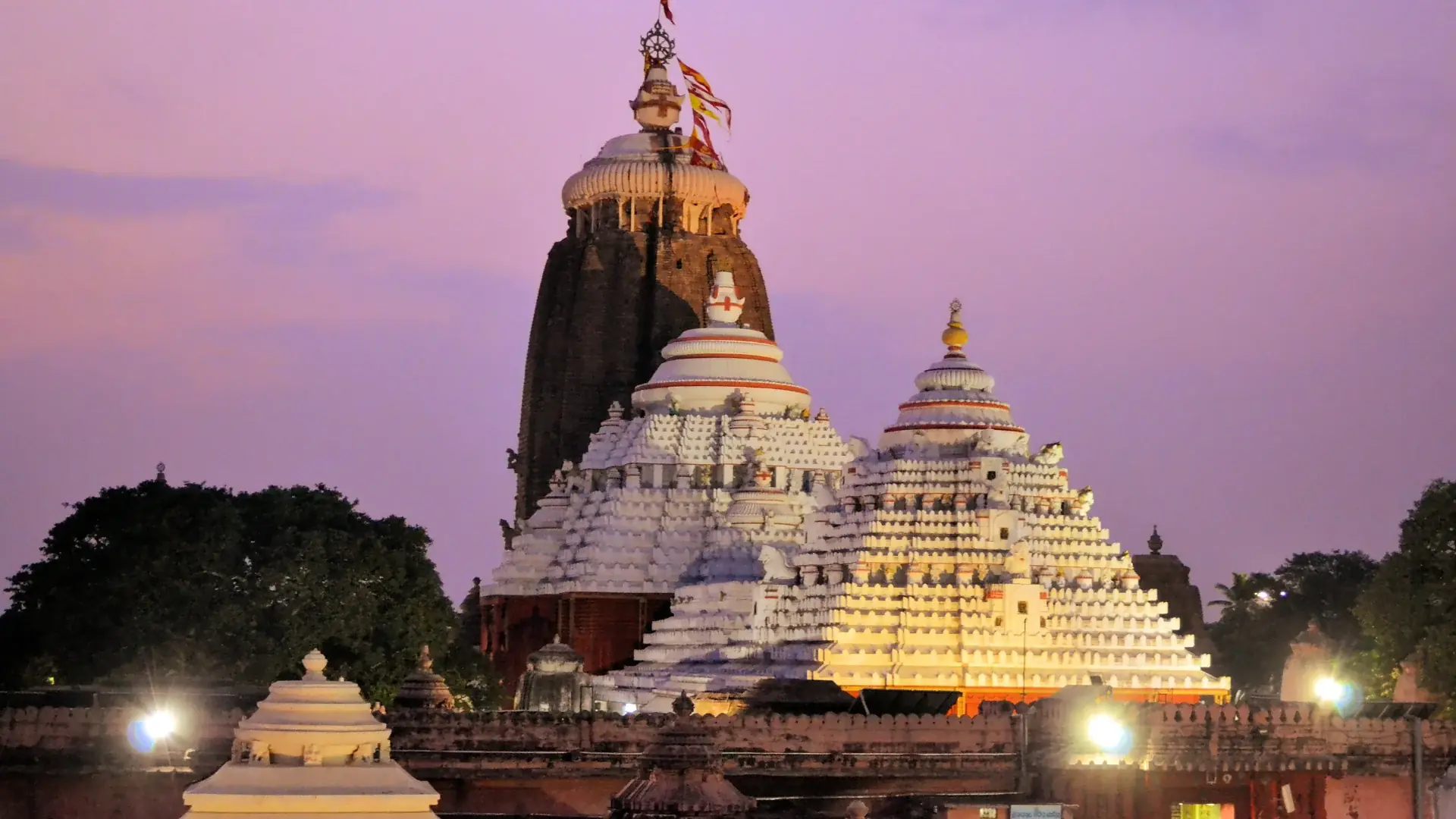
This eight-day journey moves through the full breadth of what Odisha offers. You begin in Bhubaneswar, the city of temples, where clusters of ancient Kalinga architecture from the 7th-century Parasurameswar Temple to the soaring 11th-century Lingaraj  rise from a landscape that has been continuously inhabited and worshipped for over a thousand years. You visit the Konark Sun Temple, a UNESCO World Heritage Site whose geometric complexity and sheer ambition still astound architects today. You go to Puri for an early morning visit to the Jagannath Temple, one of the four sacred dhams of Hinduism, before driving to Raghurajpur a village of artists where every family is a practitioner, and Pattachitra paintings cover walls and palm leaves alike.

Then the trip shifts. Chilika Lake  Asia's largest coastal lagoon  takes you out on the water to spot Irrawaddy dolphins at Satpada, and then north to Mangalajodi at dawn for one of the best birding experiences in India, where the wetland fills each winter with thousands of migratory birds. The final leg takes you to Dhenkanal to visit the Nuapatna Ikat weaving village and the Dhokra bell-metal casting village, where artisans are making objects using techniques unchanged since the Bronze Age.

For women travelling in a group, Odisha has a quality that is genuinely rare in Indian travel  it is peaceful, unhurried, safe, and deeply generous with its beauty. It is not a destination that performs for the camera. It simply is what it is, and it gives back in proportion to the attention you bring.

Pricing
Base Price ₹ 71500
GST (5.00%) ₹ 3575
Payment Gateway Charge (2.50%) ₹ 1877
Total ₹ 76952
Inclusive of all taxes & payment charges
₹ 76952
Max 10 seats available
Book This Journey

Things to know before journey

Everything you might want to ask before you book this journey.

What is the best time of year to visit Odisha and why is February ideal for this trip? +

February is one of the finest months to visit Odisha. The winter has softened, temperatures are comfortable throughout the day around 22°C to 30°C and the migratory birds at Chilika and Mangalajodi are still present in large numbers before they depart in March. The sea at Puri is calm and the light is beautiful. Monsoon (June to September) brings heavy rains and flooding in parts, and peak summer (April to June) is intensely hot. February sits in the sweet spot.

What is the Jagannath Temple at Puri and can everyone enter? +

The Jagannath Temple in Puri is one of the four sacred Char Dham pilgrimage sites in Hinduism and one of the most important living temple complexes in India. It has been in continuous worship for centuries and remains deeply active the rituals, the food offerings, and the daily ceremonies are central to the life of the town. Non-Hindus are not permitted inside the main temple. However, the temple's exterior can be viewed from the rooftop of a nearby building, and the atmosphere of Puri the pilgrims, the prasad, the lanes around the temple is an experience in itself regardless of whether you enter.

What is the Konark Sun Temple and why is it significant? +

The Konark Sun Temple, built in the 13th century by King Narasimhadeva I of the Eastern Ganga dynasty, is designed as a colossal stone chariot for the sun god Surya complete with twelve pairs of elaborately carved wheels and seven horses. It is a UNESCO World Heritage Site and is considered one of the finest examples of Kalinga architecture. The level of sculptural detail on every surface — figures, deities, erotic panels, celestial musicians is astonishing. An evening Sound and Light Show at the temple is part of the itinerary.

What is Raghurajpur and what makes it worth visiting? +

Raghurajpur is a heritage craft village about 14 km from Puri where the entire community is made up of traditional artists. Every household practises a different form of art Pattachitra painting (intricate narrative paintings on cloth or dried palm leaf), palm leaf etching, stone carving, papier-mache, and more. Walking through the village is like stepping into a living museum, except the museum is animated by people who learned these skills from their grandparents and are teaching them to their children. Buying directly from the artists here is also one of the most meaningful shopping experiences on the trip.

What is Chilika Lake and what can we expect there? +

Chilika is Asia's largest coastal lagoon, stretching across three districts of Odisha. It is an extraordinary ecosystem home to the only known population of Irrawaddy dolphins in India, a major wintering ground for migratory birds from Central Asia and Siberia, and a source of livelihood for thousands of fishing families along its shores. The trip includes a boat ride at Satpada on the southern tip of the lake to spot dolphins, and an early morning birding boat at Mangalajodi on the northern tip, where the birds flamingoes, pelicans, painted storks, and dozens of duck species — can be seen in remarkable numbers.

What is Ikat weaving and why is it significant to Odisha? +

Ikat is a dyeing technique used to pattern textiles by resist-dyeing the yarn before it is woven. Odisha's Ikat particularly from Nuapatna in Dhenkanal district is considered among the finest in the world, and has received a Geographical Indication tag. The process is extraordinarily labour-intensive: each thread must be tied, dyed, dried, and aligned precisely before weaving begins, so that the pattern emerges only when the fabric is complete. Visiting Nuapatna means watching this happen in front of you, on handlooms in family homes, by weavers who have been doing this their whole lives.

What is Dhokra art and the Dokra casting village? +

Dhokra (or Dokra) is a form of non-ferrous metal casting using the lost-wax technique — one of the oldest known metal casting methods in the world, dating back over 4,000 years. Artisans in the Dhokra casting village near Dhenkanal create figurines, jewellery, and decorative objects from bell metal and brass using wax moulds that are then encased in clay and fired. Each piece is unique because the wax mould is destroyed in the process. The objects — animals, deities, tribal figures have a rough, warm, elemental quality that is unlike any other craft tradition in India.

How physically demanding is this trip? +

This is a moderately easy trip. Most days involve walking through temple complexes, village lanes, and craft centres at a comfortable pace. The boat rides at Chilika and Mangalajodi involve sitting in a local boat on calm water. The early morning birding at Mangalajodi requires an early start but no physical exertion. Comfortable walking shoes and modest clothing for temple visits are the key practical requirements. There are no hikes or strenuous activities on this itinerary.