Assam · Dec 17, 2026

Majuli : The World's Largest River Island

There are places that exist outside of time. Majuli is one of them. A river island in the middle of the Brahmaputra, where monks paint masks, fishermen cast nets at dawn, and life moves at the pace of the river itself. Come slow down here.

Duration
3 Nights / 4 Days
Start
17 Dec 2026, 06:00 AM
End
20 Dec 2026, 06:00 PM
Location
Majuli, Assam
Group Size
Max 10 guests

Overview

There is a particular kind of travel that does not ask you to do more but to notice more. Majuli is that kind of place. Sitting in the middle of the Brahmaputra river in Assam, it is the largest river island in the world and one of the most quietly extraordinary destinations in India. The island has no bridges connecting it to the mainland. You arrive by ferry, and the moment the boat pushes off from the bank, the ordinary world begins to recede.

Majuli is the cultural and spiritual heart of Assamese civilisation. It is the birthplace of the Sattriya tradition, a classical dance and devotional practice founded by the 15th century saint and reformer Srimanta Sankardeva. Across the island, ancient Vaishnavite monasteries called Sattras continue the traditions he established, preserving classical music, dance, manuscript painting, and mask making that have survived for over 600 years. Visiting the Sattras is not a museum experience. The monks who live here are artists, scholars, and practitioners. Their knowledge is alive and still being passed down.

The mask making of Majuli deserves its own mention. The Sattras are famous across the world for their tradition of creating large, hand sculpted masks used in Sattriya performances. Made from clay, bamboo, and natural materials, each mask can take weeks to complete and depicts characters from the Ramayana, Mahabharata, and other mythological traditions. Watching a master craftsman work on one in the courtyard of a Sattra is something you will not forget.

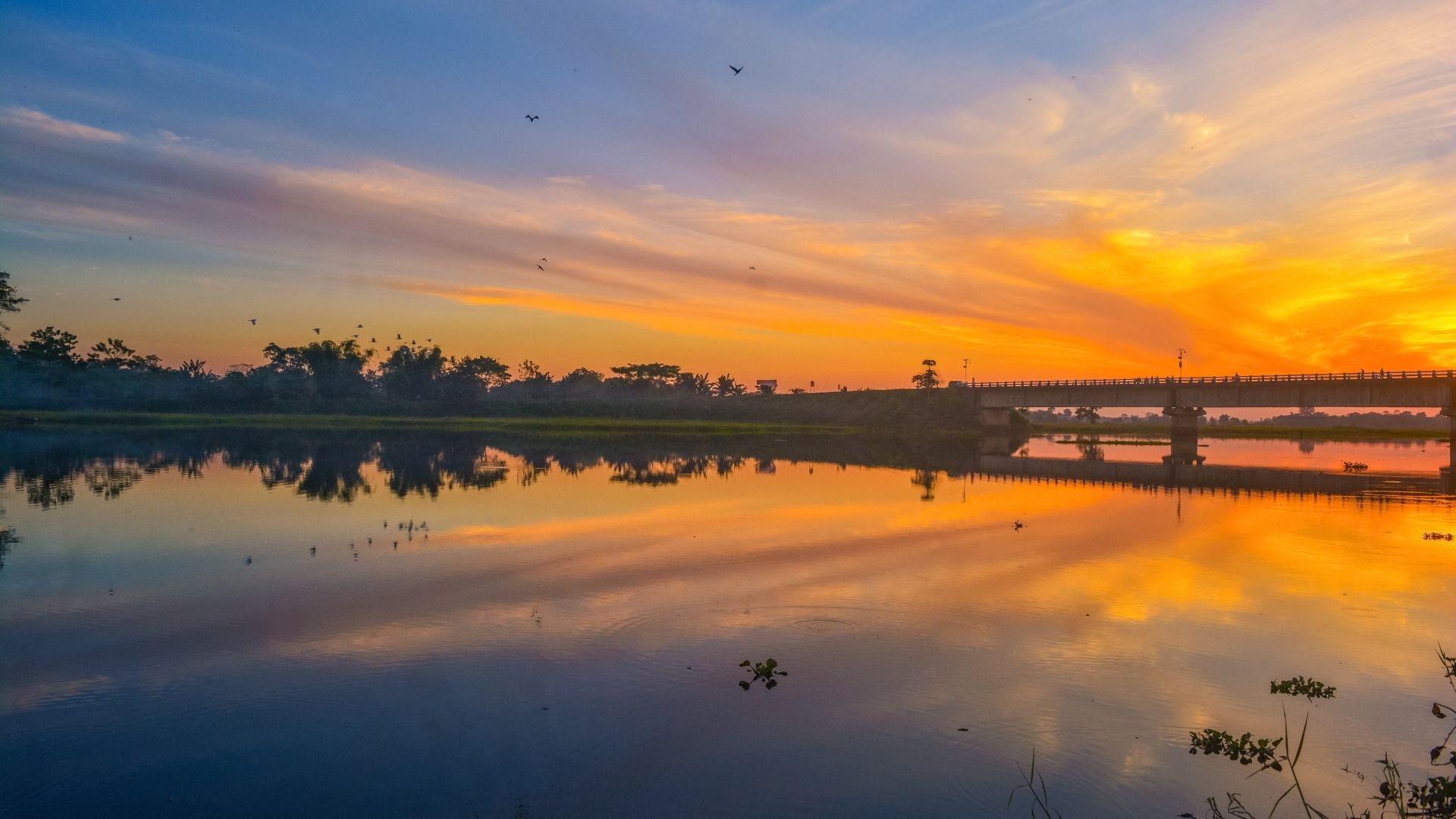
Beyond the Sattras, Majuli is a landscape of extraordinary beauty. The island sits low against the Brahmaputra and is threaded with streams, paddy fields, and wetlands that attract over 100 species of migratory birds between October and March. Cycling through the island's narrow paths, stopping at village markets, watching fishermen at work on the river at dawn, sitting with a cup of chai as mist lifts off the water in the morning are experiences that feel simple and deeply restorative at the same time.

Majuli also carries a quiet urgency. The island has been shrinking due to erosion and flooding over decades, and the communities who live here hold on to their traditions with a dedication that feels like an act of love. Coming here is not just travel. It is bearing witness to something irreplaceable.

This is the Northeast trip for women who want stillness, culture, and the kind of beauty that stays with you long after you have come home.
Pricing
Base Price ₹ 49500
GST (5.00%) ₹ 2475
Payment Gateway Charge (2.50%) ₹ 1299
Total ₹ 53274
Inclusive of all taxes & payment charges
₹ 53274
Max 10 seats available
Book This Journey

Things to know before journey

Everything you might want to ask before you book this journey.

What is Majuli and why is it significant? +

Majuli is the world's largest river island, located in the Brahmaputra river in Assam. It is considered the cultural and spiritual capital of Assamese civilisation and is home to the ancient Sattriya tradition, a living heritage of classical dance, music, devotional practice, and craftsmanship founded by the 15th century saint Srimanta Sankardeva. The island is also a UNESCO tentative World Heritage Site and is known globally for its extraordinary mask making tradition and its network of Vaishnavite monasteries called Sattras

What is the mask making tradition of Majuli? +

The Sattras of Majuli are renowned across the world for a unique tradition of creating large ceremonial masks used in Sattriya performances. These masks are made by hand using clay, bamboo, cloth, and natural pigments, and depict deities, demons, animals, and mythological characters from the Ramayana and Mahabharata. Each mask can take several weeks or even months to complete and is considered both a devotional object and a work of art. Watching the craftsmen at work and learning about the symbolism behind each character is one of the most memorable experiences on the island.

What is the best time of year to visit Majuli? +

October to March is the best time to visit Majuli. The monsoon floods recede by October, the landscape is lush and green, the weather is cool and pleasant, and the migratory birds arrive on the wetlands. The Raas festival, one of the most celebrated events on the island, takes place in November and is an extraordinary time to visit if the timing aligns. February and March offer ideal conditions with clear skies, mild temperatures, and the island fully accessible.

What is the food like on Majuli? +

Assamese cuisine is simple, fresh, and deeply nourishing. Expect rice, fish, lentils, seasonal vegetables, and local preparations that use mustard, bamboo shoot, and banana flower in ways that are completely distinct from food elsewhere in India. Eating on Majuli, often in small local spaces or community kitchens, is a genuine taste of island life and one of the quiet pleasures of the trip.

Is this trip suitable for women who have not travelled to Northeast India before? +

Majuli is actually a wonderful introduction to Northeast India precisely because it is gentle, safe, and deeply welcoming. The island communities are warm and accustomed to visitors approaching with genuine curiosity and respect. The lack of crowds, the absence of commercial tourism pressure, and the beauty of the landscape make it an ideal first Northeast experience. A flapper coach accompanies the group throughout and handles all logistics so you can simply be present.

What makes Majuli different from other cultural travel experiences in India? +

Most cultural travel in India is mediated through performance spaces, museums, and tourist infrastructure. Majuli is different because the culture here is not staged for visitors. The monks who dance at the Sattras dance because it is their devotional practice. The craftsmen who make masks make them because the Sattra needs them for its rituals. You are not watching a reconstruction of something. You are standing inside something still very much alive, and that distinction changes everything about how the experience feels.