Himachal Pradesh · Sep 20, 2026

Jibhi & Tirthan: Your Portal to Peace

There are places in Himachal that the crowds haven't found yet. Jibhi and Tirthan are two of them. Pine forests, glacial rivers, meadows that go on forever, and a quiet so deep you can hear yourself think again. This is the trip for that.

Duration
6 Nights / 7 Days
Start
20 Sep 2026, 06:00 AM
End
26 Sep 2026, 06:00 PM
Location
Jibhi & Tirthan, Himachal Pradesh
Group Size
Max 10 guests

Overview

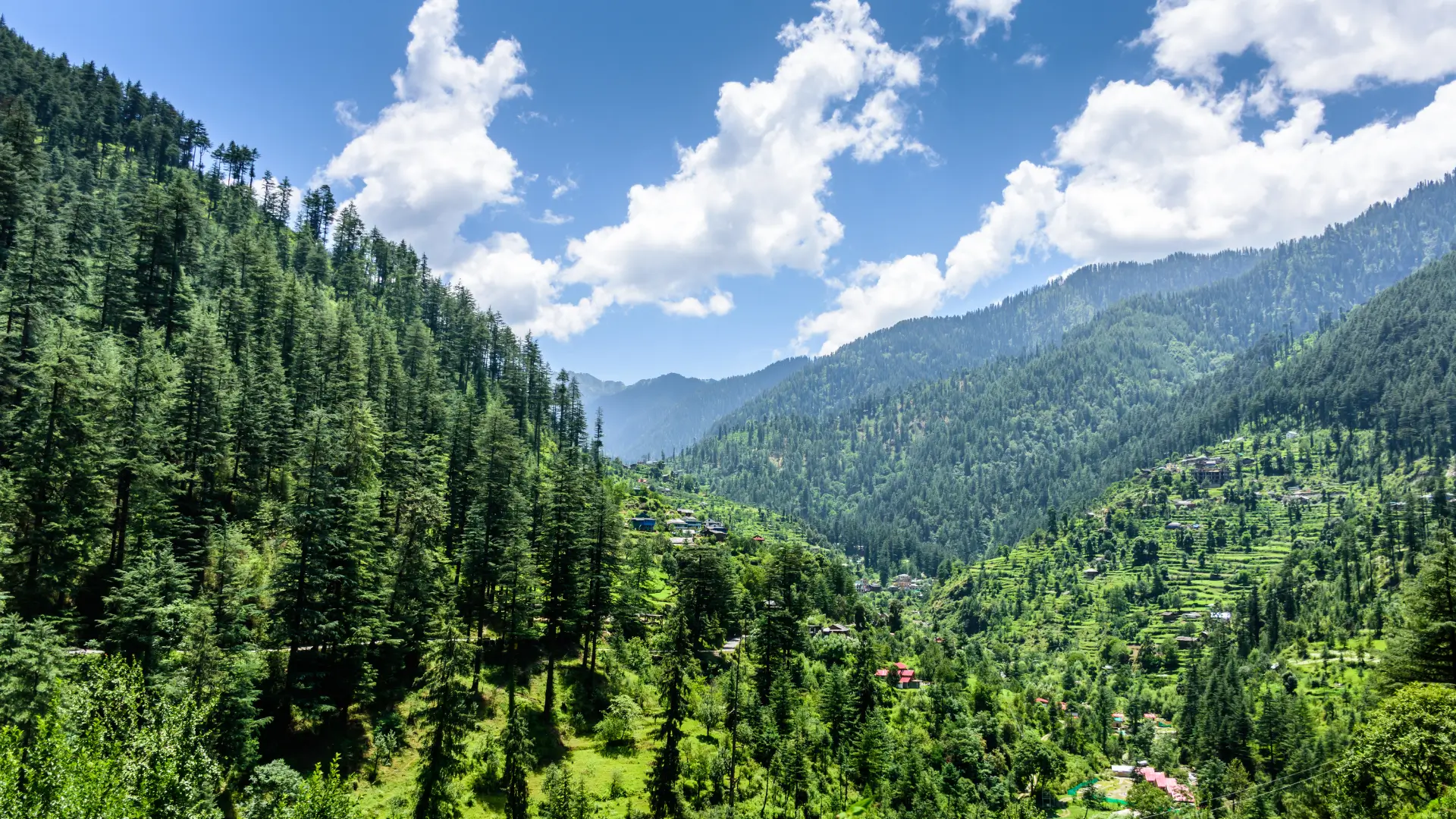
Himachal Pradesh has a way of pulling you in and not letting go. Most people know Manali and Shimla. Far fewer know Jibhi and Tirthan, and that is exactly what makes them special. Tucked deep inside the Kullu district, these two valleys exist in a kind of unhurried beauty that the more popular hill stations lost long ago. Rivers that run so clear they look like glass. Forests of deodar and pine that smell like another world. Villages where life moves at a pace that is genuinely healing.

Tirthan Valley sits at the gateway to the Great Himalayan National Park, a UNESCO World Heritage Site that spans four river valleys and is home to some of the rarest wildlife in India, including the snow leopard, Himalayan tahr, musk deer, and three critically endangered bird species. Hiking inside the park, with a local forest guide leading the way, is the kind of experience that stays with you for years. Waterfalls, stream crossings, old growth forest, and a silence broken only by the sound of birds.

Jibhi is a hamlet, not even a town, wreathed in pine forests and dotted with freshwater lakes and ancient wooden temples. It has the kind of charm that makes you want to stay an extra week. Short treks here lead to hidden waterfalls, centuries old stone towers, hilltop forts with sweeping views, and quiet villages that feel completely untouched by modern travel.

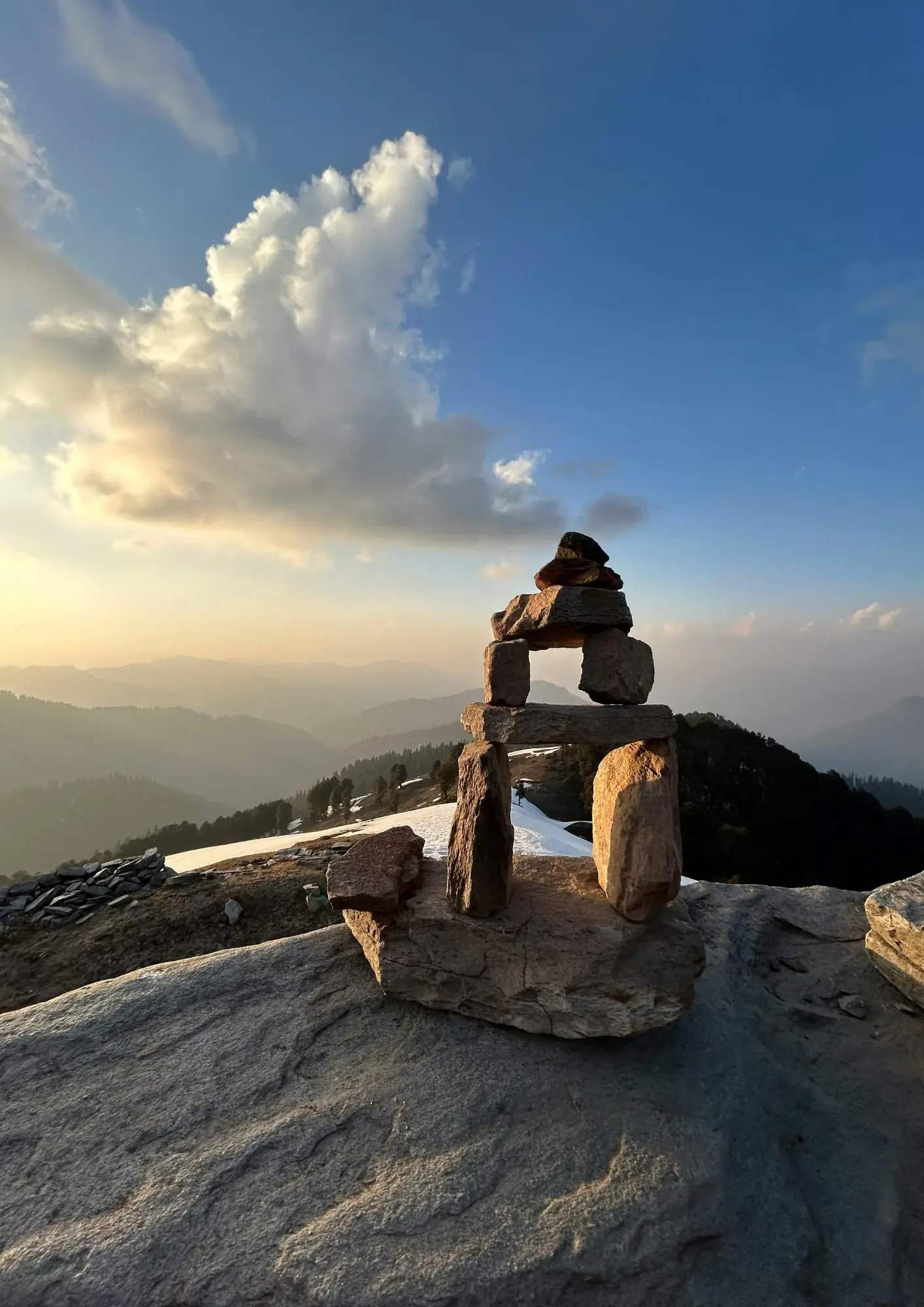
The Jalori Pass, sitting at around 3120 metres between Kullu and Shimla, offers one of the most accessible high altitude experiences in the region. The drive up through alpine meadows is stunning on its own, and for those who want to go further, the trail to Serolsar Lake through old growth forest is one of the most beautiful short treks in this part of Himachal.

But this trip is not only about adventure. There is a day built entirely for rest, for sitting by the river with a cup of chai, for wandering into local eateries, for doing absolutely nothing if that is what your body asks for. After days in the forest and on the trails, that kind of stillness feels like a gift.

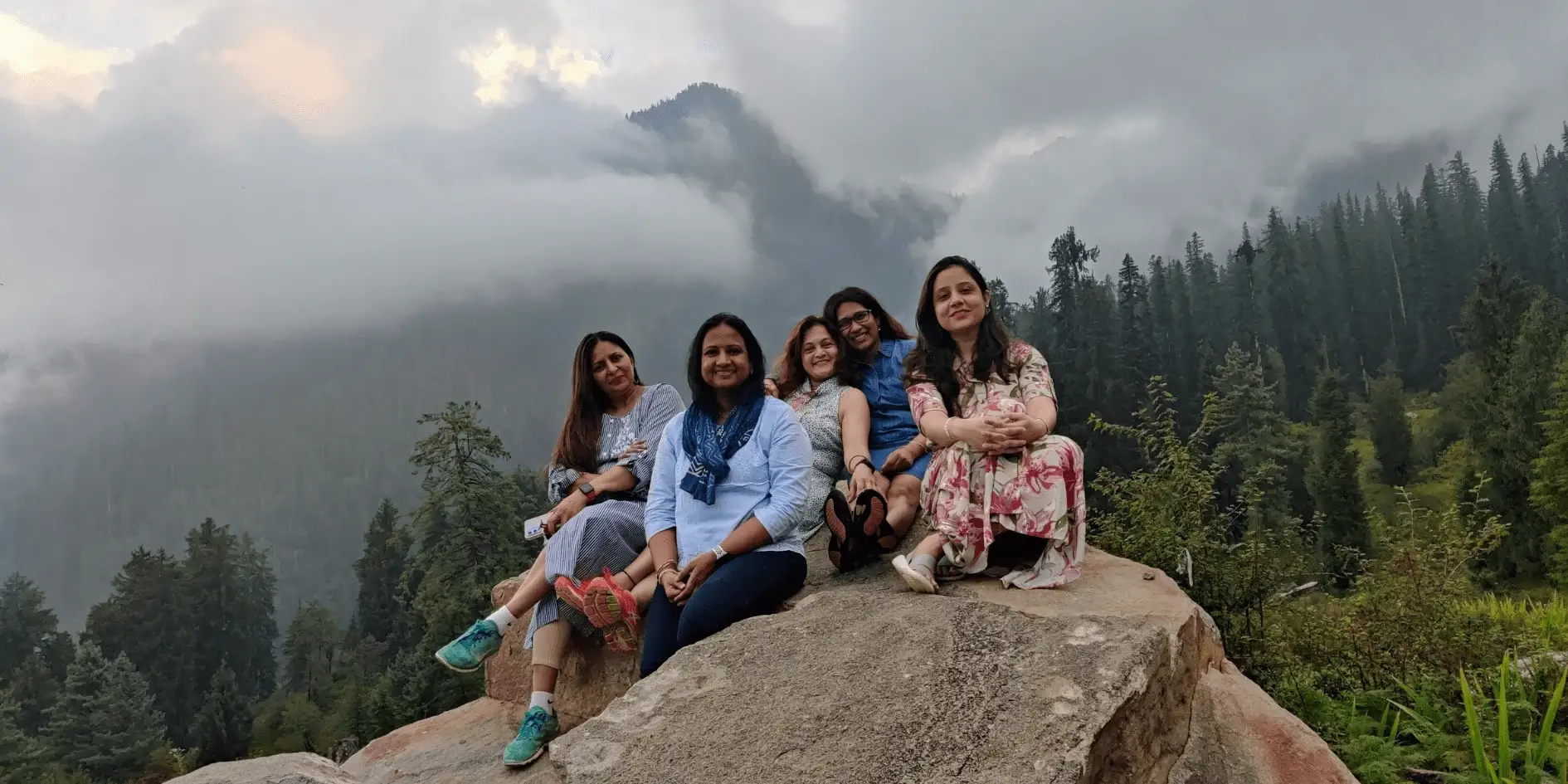
This is a trip for women who want the real Himachal. Not the tourist version. The quiet, forested, river sound at dawn version. Seven days that remind you what it feels like to fully exhale.
Pricing
Base Price ₹ 49500
GST (5.00%) ₹ 2475
Payment Gateway Charge (2.50%) ₹ 1299
Total ₹ 53274
Inclusive of all taxes & payment charges
₹ 53274
Max 10 seats available
Book This Journey

Moments from the previous Journey

Things to know before journey

Everything you might want to ask before you book this journey.

What makes Jibhi and Tirthan different from other Himachal destinations? +

Jibhi and Tirthan are part of the Kullu district but sit well off the main tourist circuit. They offer the same dramatic Himalayan scenery as more famous destinations without the crowds, the noise, or the commercialisation. Tirthan Valley is flanked by the Great Himalayan National Park, one of India's finest protected forests. Jibhi is a tiny hamlet of wooden homes, pine trees, and stream crossings. Together they offer something increasingly rare in Indian hill travel: genuine peace.

What is the Great Himalayan National Park and what is the hike like on Day 3? +

The Great Himalayan National Park is a UNESCO World Heritage Site spread across four river valleys in the Kullu district. It is home to over 375 fauna species including the snow leopard, Himalayan brown bear, musk deer, and rare bird species like the Western tragopan and koklass pheasant. The Day 3 hike takes the group deep into the park with a local forest guide. It involves crossing streams, walking through old growth forests, and reaching roaring waterfalls. Please note this hike is steep and takes approximately 6 to 7 hours. It requires a reasonable level of fitness and a love for the wild.

What is the Jalori Pass and what can we expect there? +

The Jalori Pass sits at approximately 3120 metres in the northern Himalayas, connecting the Kullu and Shimla districts. It is one of the more accessible high altitude passes in Himachal and can be reached by road, making it a spectacular experience even for those who do not trek. The group drives up to Snow Point for views across the ranges. The optional trek to Serolsar Lake from the pass is around 5 km through meadows and dense forest and is one of the most rewarding short treks in this part of Himachal.

How fit do I need to be for this trip? +

This trip has a wider range of activity levels across different days. Day 3 in the Great Himalayan National Park is the most demanding, with a steep 6 to 7 hour hike that requires genuine stamina and physical preparation. The Jalori Pass trek on Day 4 is optional and moderate. The mini treks on Day 5 are each about an hour and manageable for most fitness levels. Day 6 is a complete rest day. If you are comfortable with moderate hiking and willing to prepare for the Day 3 hike, this trip is very much doable.

What is the weather like in Jibhi and Tirthan in late September? +

Late September is one of the most beautiful times to be in this part of Himachal. The monsoon has largely retreated, leaving the valleys lush and green with clear skies and crisp air. Temperatures during the day range from around 15 to 22 degrees Celsius, dropping significantly at night to around 8 to 12 degrees. Pack layers, a warm jacket for evenings, sturdy trekking shoes, and a light rain jacket as brief showers are still possible.

What are the Chehni Kothi and Raghupur Fort and why are they worth visiting? +

Chehni Kothi is an ancient stone and wood tower believed to be over 1500 years old, one of the most iconic landmarks in the Banjar Valley near Jibhi. It stands several storeys tall and is a striking example of traditional Himachali architecture. Raghupur Fort sits above the Jalori Pass and offers sweeping views of the Dhauladhar and Pir Panjal ranges. Both are reached on short treks on Day 5 and offer a glimpse into the deep history of this region beyond its natural beauty.

How do we get to Chandigarh to join the trip? +

The trip begins and ends at Chandigarh airport. Most women flying from Bombay, Delhi, or other metro cities will fly into Chandigarh. TFL handles all transfers from the airport onwards. Please coordinate your flight timings with the team before booking to ensure a smooth group departure on Day 1.

Is this a good trip for someone who has never done a Himalayan trek before? +

It depends on your comfort level. If you have done moderate hill walks before and are willing to train a little ahead of the Day 3 hike, this trip is very much within reach. The rest of the itinerary is gentle and exploratory. That said, it is not a trip to take lightly if you are completely new to mountain terrain. The TFL team is happy to help you assess whether this is the right trip for you before you book.